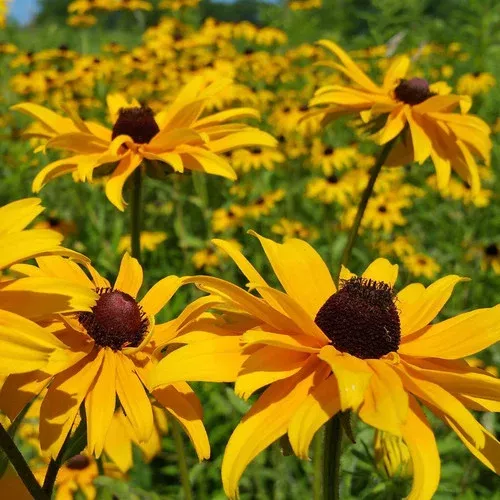
Deam’s Black-Eyed Susan
Original price was: $14.86.$7.64Current price is: $7.64.
78 in stock
Description
Deam’s Black-Eyed Susan is a tougher, cleaner-looking choice for late-season gold in native and perennial plantings. Rudbeckia fulgida var. deamii forms a sturdy clump of hairy green foliage topped with orange-yellow daisies and dark brown cones from late summer into fall. It grows close to 3 feet tall and about 2 feet wide, giving beds strong color at the point when many summer flowers are slowing down. We often use it in pollinator plantings because the flowers keep bees, butterflies, and seed-eating birds coming back through the season.rThis black-eyed Susan is native to parts of Illinois, Indiana, and Ohio, where it grows in sites ranging from open woods to stream banks and roadside edges. The variety honors Charles C. Deam, the Indiana botanist who first collected it in 1916. Deam’s Black-eyed Susan received the Royal Horticultural Society Award of Garden Merit in 1993, largely for its flower production, adaptability, and strong resistance to common pests and disease. Use it in flower beds, prairie-style borders, rain gardens, naturalized areas, butterfly gardens, cut flower plantings, and deer-resistant landscapes.rDeam’s Black-Eyed Susan CarerPlant Deam’s Black-eyed Susan in full sun to partial shade, with full sun coaxing the heaviest bloom and strongest stems. It grows in clay, loam, sandy soil, shallow soil, and average garden soil, provided drainage is reasonable. This adaptable perennial handles acidic, neutral, or alkaline pH and prefers dry to medium moisture.rWater regularly during the first growing season so the clump establishes a deep root system. Established plants tolerate heat, humidity, and drought, though flowering is fuller when dry spells are met with an occasional deep soak. Fertilizer is rarely needed in average soil; a light layer of compost in spring is enough for most plantings. Mulch lightly around young plants to reduce weeds, and leave some seed heads standing in fall for songbirds and winter texture.rDeadhead spent flowers during bloom if a longer flower display is the priority. Leave the final round of seed heads in place for birds, then cut the stems back hard in early spring before new growth fills in. Divide crowded clumps every few years if flowering declines or the center begins to thin.rDeam’s Black-Eyed Susan SpacingrSpace Deam’s Black-eyed Susan about 18 to 24 inches apart in perennial beds, or 2 feet apart for a filled-in drift. Use a container at least 14 to 16 inches wide with drainage holes, and water potted plants more often during summer heat. Container plants should be cut back in spring and refreshed with compost or a small amount of slow-release fertilizer as new growth begins.rDeam’s Black-eyed Susan grows well with many other natives including coneflower, bee balm, phlox, and salvia for a pollinator border with overlapping bloom and similar sun needs. Little bluestem and switchgrass make excellent grass partners, adding upright texture and fall movement around the golden flowers. In containers, use lantana, verbena, or calibrachoa near the edge for summer color that handles bright light and regular watering.rDeam’s Black-Eyed Susan InformationrrrrrUSDA Hardiness Zones: 4 – 9rrrPlant Type: PerennialsrrrLight Exposure: Partial Sun to Full Sun (At Least 5 Hours of Direct Sunlight)rrrMature Height: 24 – 36 InchesrrrMature Spread: 12 – 24 InchesrrrSpacing: 12 – 24 InchesrrrHabit: UprightrrrFlower Color(s): YellowrrrFlower Description: rrrBloom Period: Late Summer/Early FallrrrFoliage Type: HerbaceousrrrFoliage Color(s): GreenrrrFoliage Description: rrrSeasonal Interest: Summer Flowering, Fall FloweringrrrWatering: AveragerrrResists: Deer, Disease, Pests & InsectsrrrTolerates: Heat, DroughtrrrAttracts: Bees, Birds, ButterfliesrrrContainer Role: rrrUses: Borders, Containers, Mass Planting, Wildlife GardensrrrFeatures: Attracts Pollinators, Cut Flowers, Native to North America, Award WinnerrrrBrand: r…
Related products
-
- Sale!
- hot sale
Orange Lantana Live Rooted Plant – Bright Orange Blooms – Lantana camara
- Original price was: $31.34.$23.57Current price is: $23.57.
- Add to cart
-
- Sale!
- hot sale
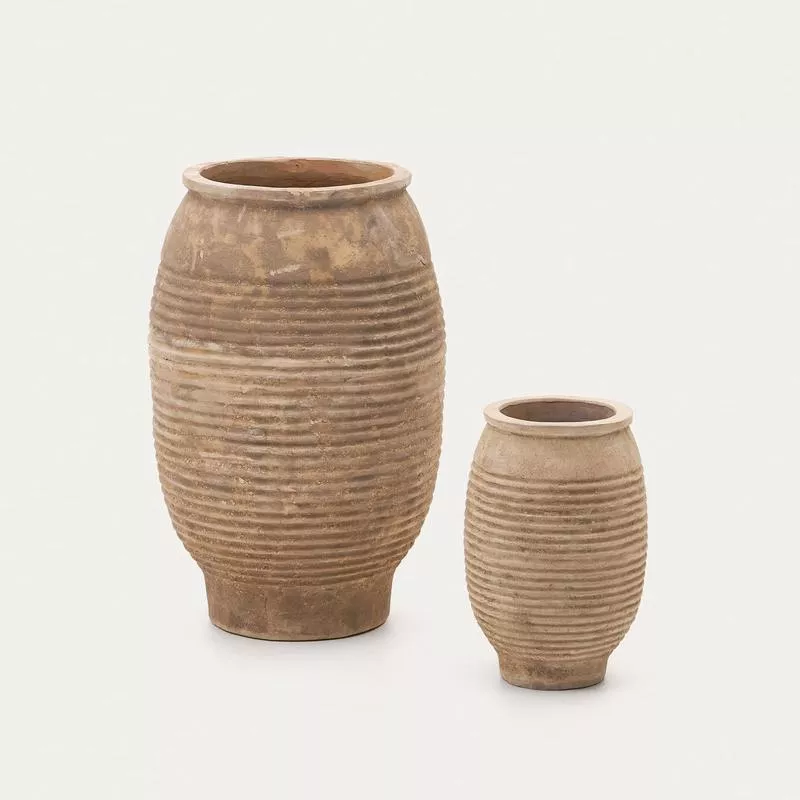
Kave Home Llonga Set of 2 Terracotta Plant Pots
- Original price was: $115.60.$58.59Current price is: $58.59.
- Add to cart
-
- Sale!
- hot sale
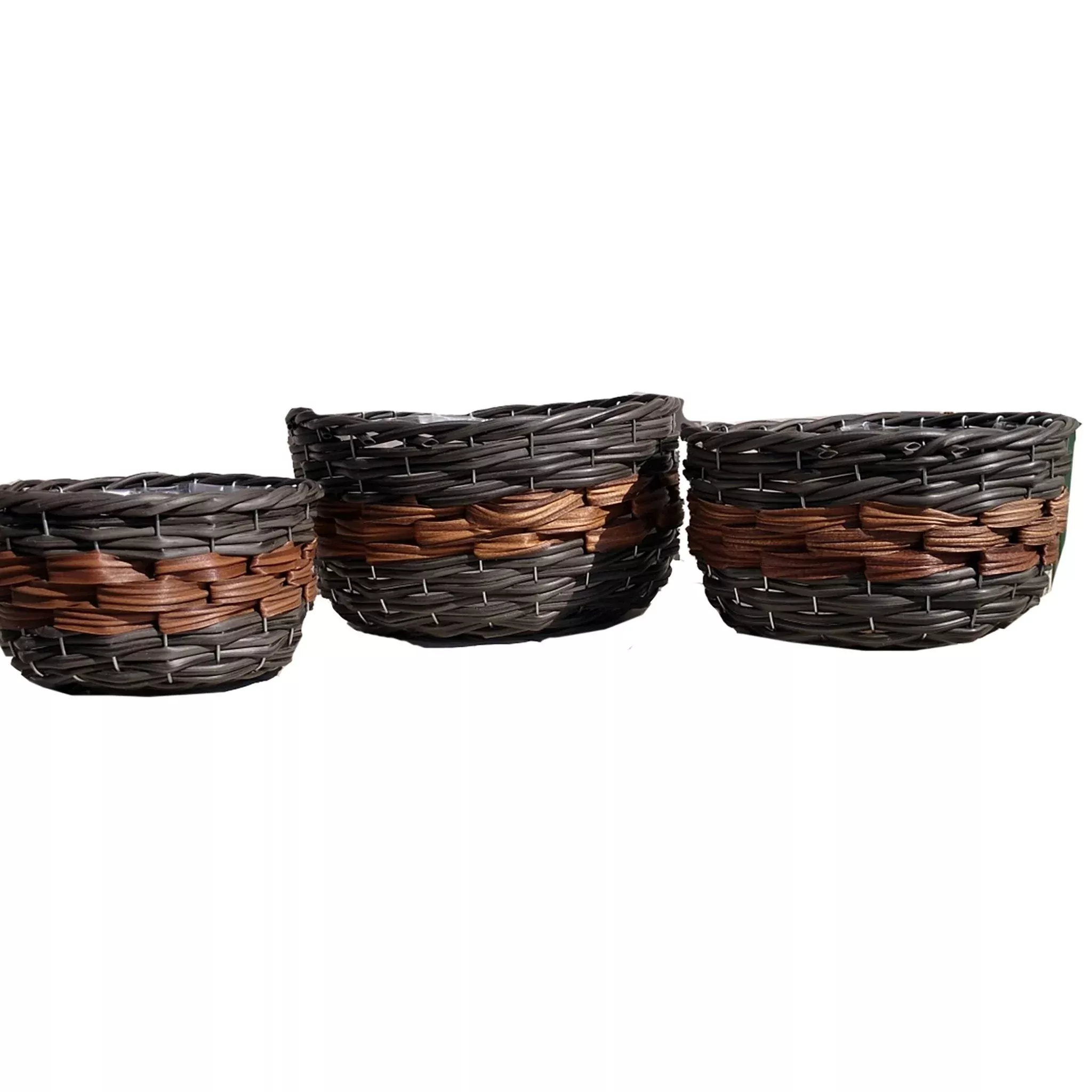
Gardener Select Two-Tone Woven Wood Planter Set
- Original price was: $16.19.$12.48Current price is: $12.48.
- Add to cart
-
- Sale!
- hot sale
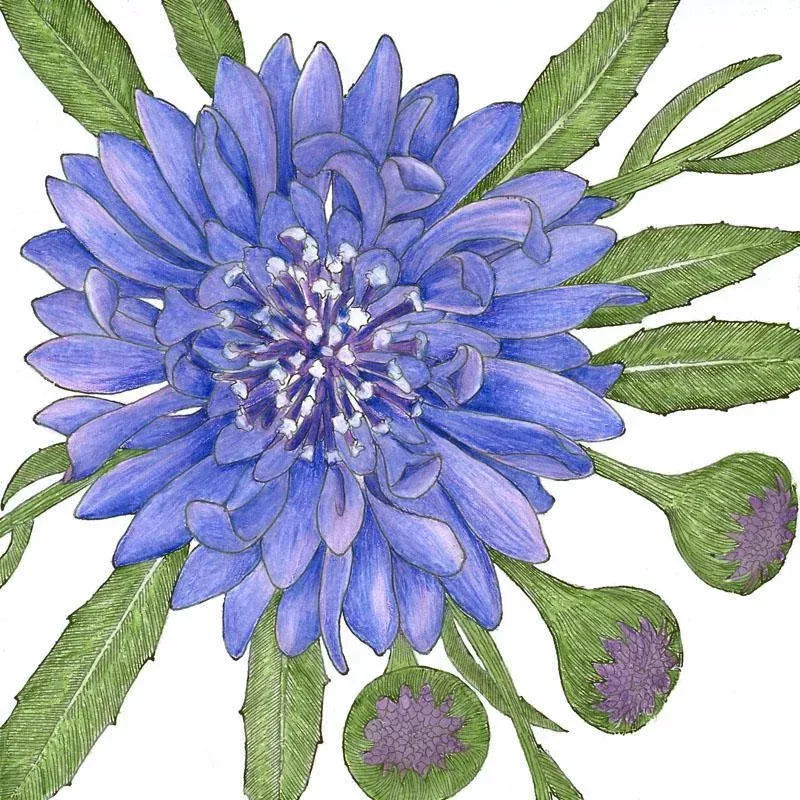
Bachelor Button-Polka Dot Mix (lb)
- Original price was: $12.79.$6.53Current price is: $6.53.
- Add to cart
-
- Sale!
- hot sale
Stoneware Mug 16oz Patterns & Animla Faces
- Original price was: $7.19.$4.09Current price is: $4.09.
- Add to cart
-
- Sale!
- hot sale
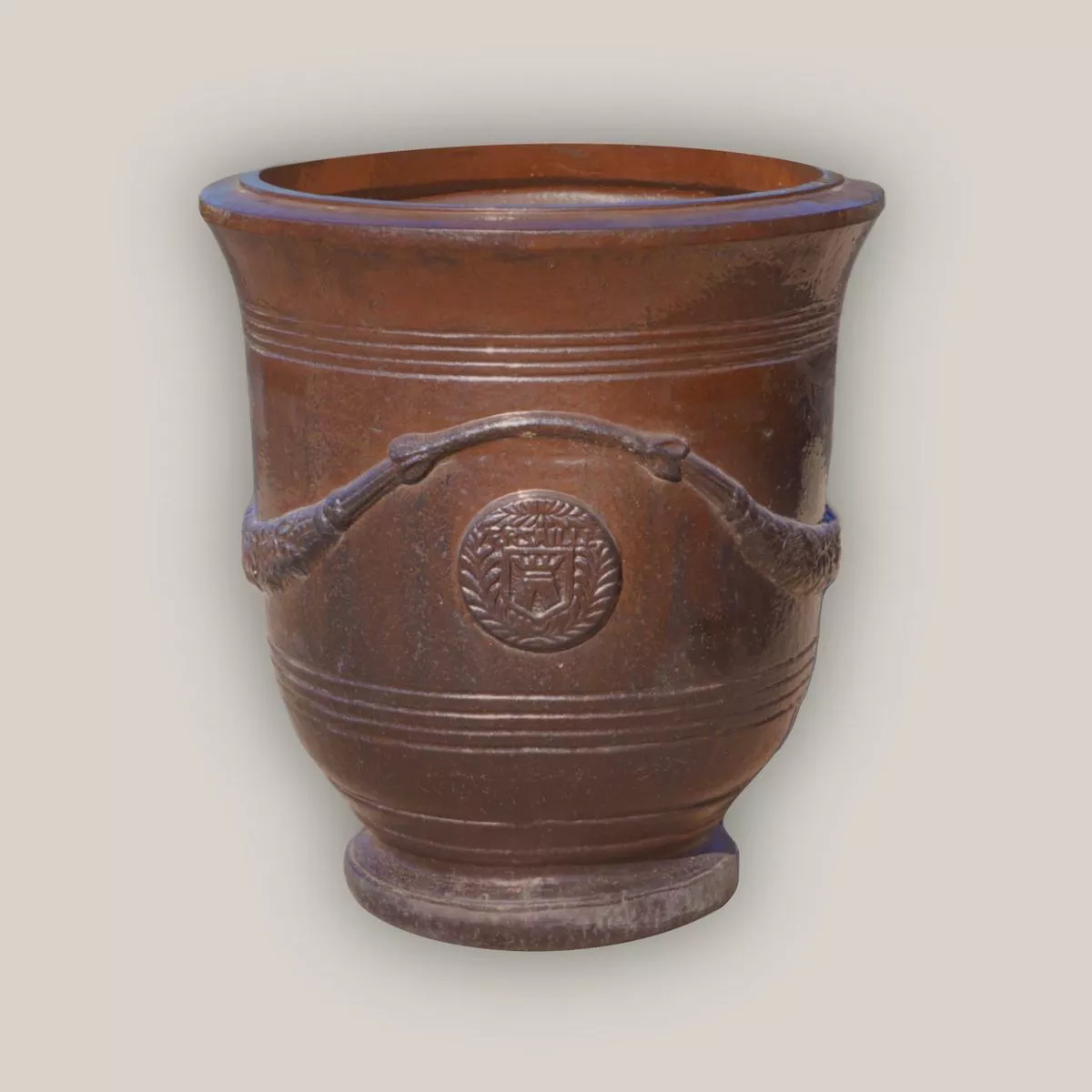
4023SE – Sapphire Medallion Urn – 17″ x 17″ x 19″ | Sapphire | Ceramic
- Original price was: $75.60.$39.50Current price is: $39.50.
- Add to cart
-
- Sale!
- hot sale
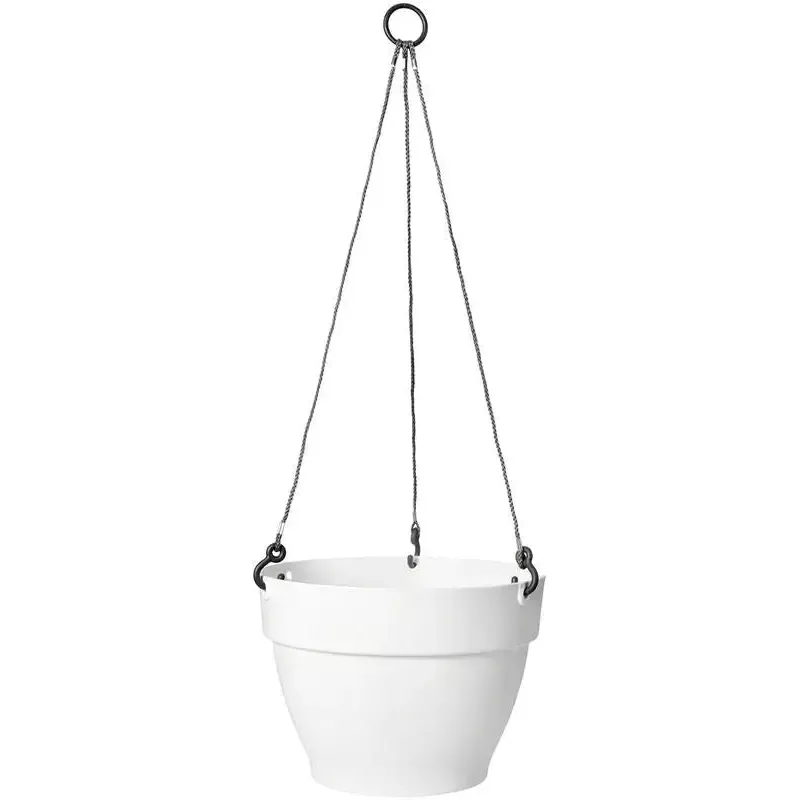
Vibia Plant Pot 18cm Height 25cm Dia Campana Hanging Basket White
- Original price was: $15.35.$9.46Current price is: $9.46.
- Add to cart
-
- Sale!
- hot sale
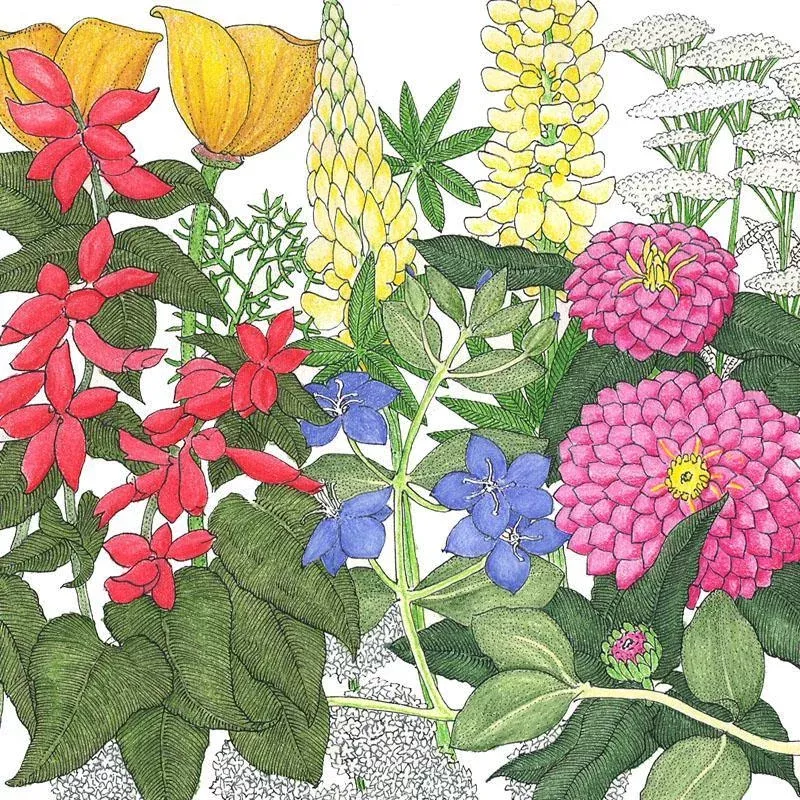
Deer Proof Garden Wildflower Mix (lb)
- Original price was: $27.90.$17.01Current price is: $17.01.
- Add to cart