Tulip Poplar
Original price was: $67.18.$43.65Current price is: $43.65.
94 in stock
Description
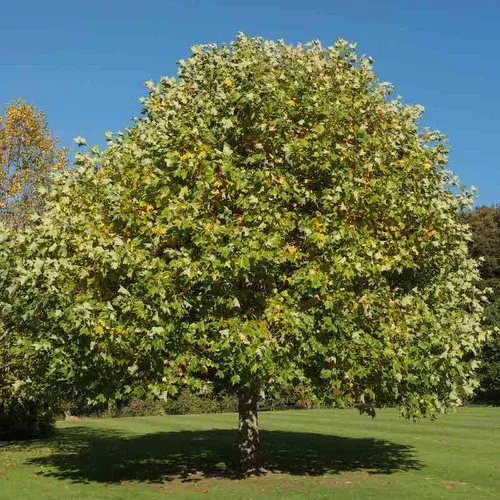
Plant Tulip Poplar (aka Tulip Tree) when you want scale, speed, and a native canopy that establishes sooner than most large shade trees. Liriodendron tulipifera grows into a tall, straight tree with an upright young form. Its unusual four-lobed leaves turn golden in the fall, and spring flowers marked yellow and orange resemble tulips high in the branches. The biggest draw is how quickly it becomes a useful shade tree for large properties. We recommend it for open ground where a long-lived native tree would make good use of the space.rThis deciduous member of the magnolia family is native to eastern North America. It has a strong wildlife role, with nectar-rich blooms that draw hummingbirds and pollinators and seeds that feed birds and small mammals. It is highly effective in naturalized borders, meadow edges, and broad lawns where its tall trunk and high canopy can develop properly. The flowers can be easy to miss from a distance on mature trees, so the leaf shape, stately outline, and fall color carry much of the landscape value. Give it room and it becomes a landmark tree rather than just another shade planting.rTulip Poplar CarerPlant Tulip Poplar in full sun in deep, fertile, well-drained soil with an acidic pH for the strongest growth. It can handle some partial shade and shows tolerance for clay and occasional wet soil, but it is happiest in organically rich ground that does not stay compacted or dry for long. This is not the tree for shallow, droughty sites.rWater deeply and regularly while the tree establishes, and continue during extended dry periods, especially if interior leaves begin to yellow and drop in summer. Fertilizer is usually not needed in good soil, although young trees in lean ground can benefit from a light spring feeding. Tulip Poplar drops its leaves in fall and goes dormant for winter, with cone-like seed clusters often lingering after the foliage is gone.rPrune only as needed to remove damaged, crowded, or poorly spaced branches while the tree is young, since heavy cutting can leave large wounds on a fast-growing tree. Structural pruning is best done in late winter or very early spring before growth starts. Keep the root zone mulched and protected from mower traffic, because shallow surface roots can become an issue as the tree matures.rTulip Poplar SpacingrGive Tulip Poplar at least 30 to 40 feet from buildings and other large trees, with more room if you want the crown to spread naturally over time. It is not a container tree beyond the nursery stage, so give it a permanent planting site. In the landscape, pair it with Joe Pye weed, asters, and viburnum for a loose native-style planting that supports pollinators around the base. Near newer plantings or adjacent beds, use pansies and lobelia for early seasonal color while the tree is still young and the surrounding space is filling in.
Related products
-
- Sale!
- hot sale
Wire Cage Clamp Lamp
- Original price was: $14.39.$8.26Current price is: $8.26.
- Add to cart
-
- Sale!
- hot sale
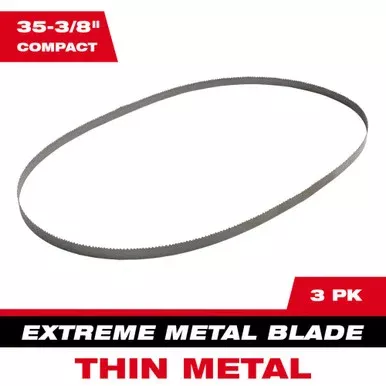
Milwaukee 48-39-0619 Extreme Thin Metal Compact Band Saw Blades (3-Pack)
- Original price was: $10.79.$6.86Current price is: $6.86.
- Add to cart
-
- Sale!
- hot sale
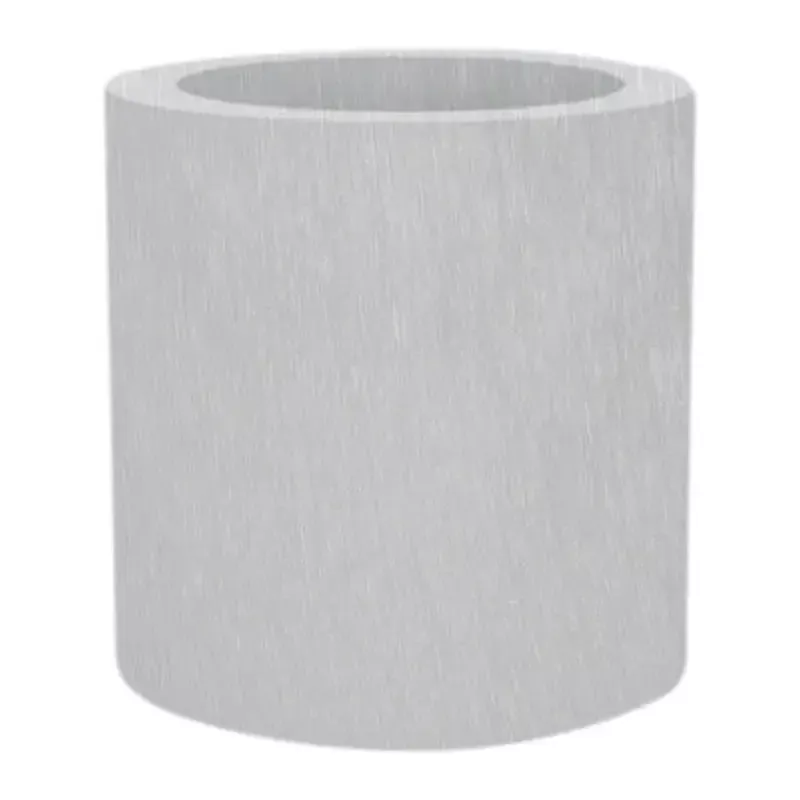
Cilindro Plant Pot 80cm Height 61cm Dia Basic Pot
- Original price was: $116.00.$82.90Current price is: $82.90.
- Add to cart
-
- Sale!
- hot sale
Carnation Casket Spray
- Original price was: $95.20.$57.80Current price is: $57.80.
- Add to cart
-
- Sale!
- hot sale
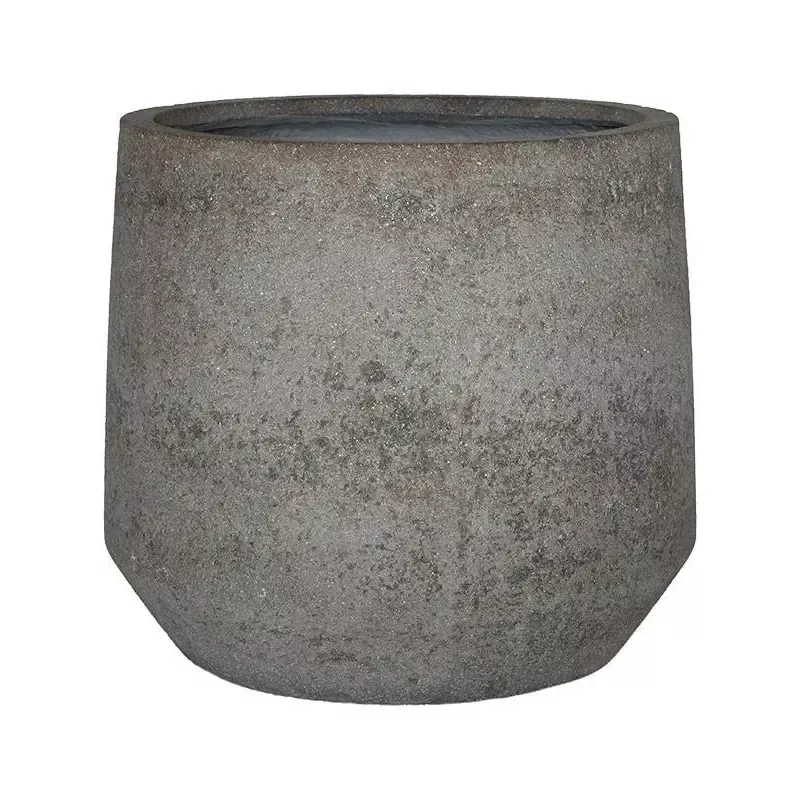
Cement & Stone Plant Pot 48cm Height 43cm Dia Harith L, Dioriet Grey
- Original price was: $90.40.$52.26Current price is: $52.26.
- Add to cart
-
- Sale!
- hot sale
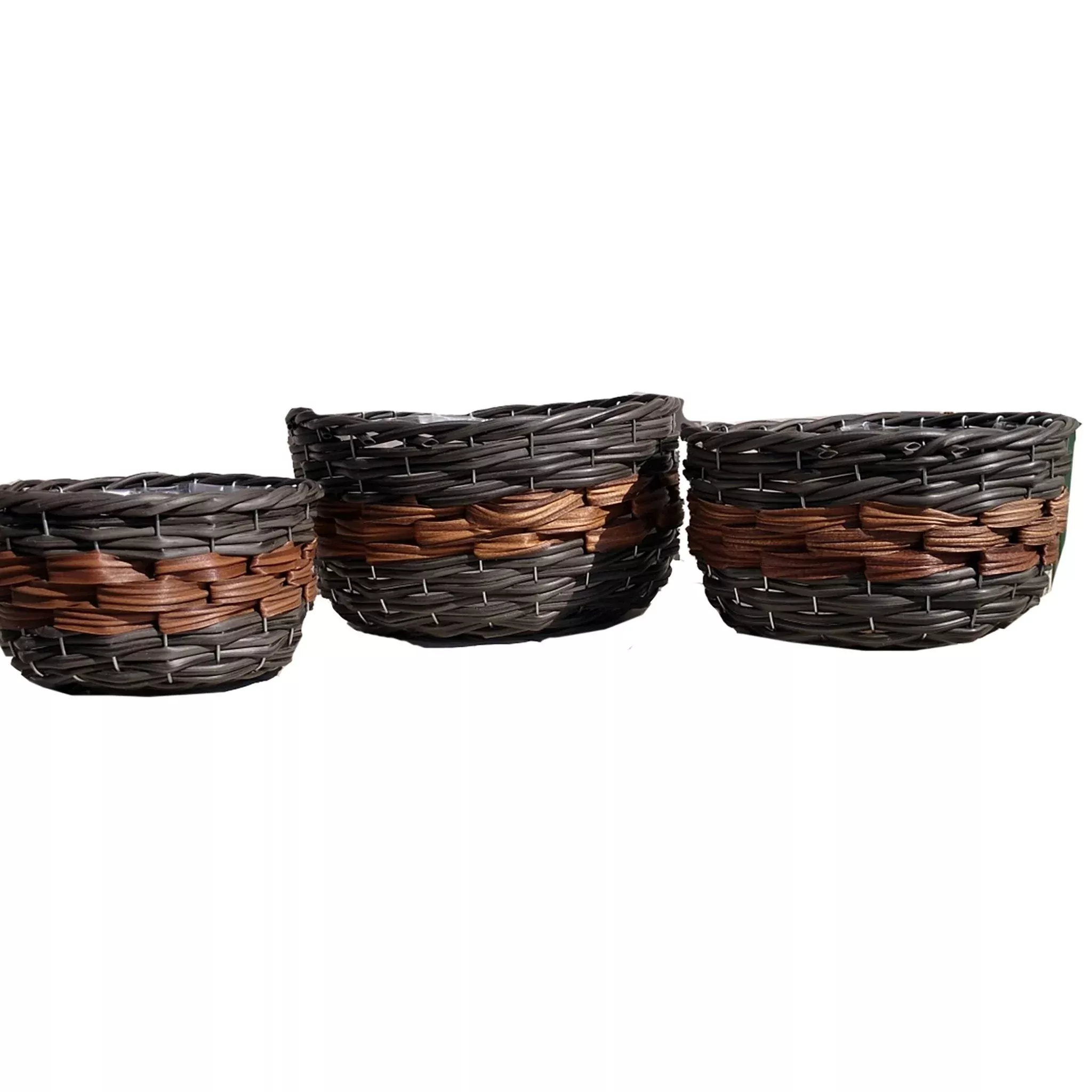
Gardener Select Two-Tone Woven Wood Planter Set
- Original price was: $16.19.$12.48Current price is: $12.48.
- Add to cart
-
- Sale!
- hot sale
Kave Home Llonga Set of 2 Terracotta Plant Pots
- Original price was: $115.60.$58.59Current price is: $58.59.
- Add to cart
-
- Sale!
- hot sale
vidaXL Garden Planter Brown 36x30x32 cm Poly Rattan
- Original price was: $21.98.$15.17Current price is: $15.17.
- Add to cart